Multi-sector cooperation the key factor in graft fight, says ICAC chief
2019-5-24
Multi-sector cooperation emerged as the single most important factor in ensuring the shared vision of a world free of corruption remained an ideal worth graft fighters all over the world striving for despite daunting challenges, ICAC Commissioner Simon Peh Yun-lu today (May 24) told an international conference.
Speaking at the closing ceremony of the 7th ICAC Symposium entitled “Fighting Corruption – A New Perspective”, jointly hosted by the Commission and the World Justice Project, Mr Peh said corruption could be eliminated through domestic and international partnerships.
“The very fact that a law enforcement agency and an international civil society organisation have joined hands to co-host this event is evidence that although the challenges we face are indeed daunting, they are not insurmountable if we can work together,” the Commissioner said.
While the rule of law and effective domestic legislation were key elements underpinning any anti-corruption strategy, Mr Peh said the cross-border nature of corruption and the use of digital technologies presented two of the most significant challenges.
In order to address these challenges, Mr Peh pointed out that multi-sector engagement was crucial.
“Our coalition against corruption should not be limited to law enforcement agencies and the public sector, but must be extended to the private sector, NGOs, civil society and beyond.
“In addition, as digital technologies have shrunk the world and abused by criminals, our challenge is to properly discover, authenticate and disclose digital evidence within existing legal frameworks,” said Mr Peh.
Meanwhile, participants of the Symposium saw the need to modernise international cooperation as routine delay in mutual legal assistance process was considered a common area of frustration in fighting corruption.
“Only through mutual trust and understanding of each other can we ensure the prompt sharing of information that is so vital to combatting corruption,” Mr Peh said, adding that ICAC’s capacity building work in other jurisdictions could hopefully point the way forward.
“After all, the Hong Kong experience has shown the world that dedicated professionals, supported by political will and public trust, and working under the rule of law, could and did make a difference,” the Commissioner concluded.
The three-day Symposium, with the attendance of over 500 representatives of anti-corruption and law enforcement agencies from more than 50 jurisdictions, featured a total of 33 eminent speakers who had made remarkable contributions to the cause of corruption eradication in their own fields.
Upon conclusion of the Symposium, over 200 participants commenced a one-and-a-half day training programme co-organised by the ICAC and the International Association of Anti-Corruption Authorities (IAACA).
The joint training programme started with a visit to the ICAC Building this (May 24) afternoon. Participants toured various facilities, including the Exhibition Hall, Centre of Anti-Corruption Studies and International Training, Mock Court, Detention Centre, Identification Parade Room and Video Interview Room.
On Saturday (May 25), concurrent workshops on enforcement, community education and engagement, as well as corruption prevention will be conducted by ICAC officers, covering topics such as asset recovery, digital forensics and creative use of new technologies in promoting probity culture, and key elements of a probity management system.
Speaking at the closing ceremony of the 7th ICAC Symposium entitled “Fighting Corruption – A New Perspective”, jointly hosted by the Commission and the World Justice Project, Mr Peh said corruption could be eliminated through domestic and international partnerships.
“The very fact that a law enforcement agency and an international civil society organisation have joined hands to co-host this event is evidence that although the challenges we face are indeed daunting, they are not insurmountable if we can work together,” the Commissioner said.
While the rule of law and effective domestic legislation were key elements underpinning any anti-corruption strategy, Mr Peh said the cross-border nature of corruption and the use of digital technologies presented two of the most significant challenges.
In order to address these challenges, Mr Peh pointed out that multi-sector engagement was crucial.
“Our coalition against corruption should not be limited to law enforcement agencies and the public sector, but must be extended to the private sector, NGOs, civil society and beyond.
“In addition, as digital technologies have shrunk the world and abused by criminals, our challenge is to properly discover, authenticate and disclose digital evidence within existing legal frameworks,” said Mr Peh.
Meanwhile, participants of the Symposium saw the need to modernise international cooperation as routine delay in mutual legal assistance process was considered a common area of frustration in fighting corruption.
“Only through mutual trust and understanding of each other can we ensure the prompt sharing of information that is so vital to combatting corruption,” Mr Peh said, adding that ICAC’s capacity building work in other jurisdictions could hopefully point the way forward.
“After all, the Hong Kong experience has shown the world that dedicated professionals, supported by political will and public trust, and working under the rule of law, could and did make a difference,” the Commissioner concluded.
The three-day Symposium, with the attendance of over 500 representatives of anti-corruption and law enforcement agencies from more than 50 jurisdictions, featured a total of 33 eminent speakers who had made remarkable contributions to the cause of corruption eradication in their own fields.
Upon conclusion of the Symposium, over 200 participants commenced a one-and-a-half day training programme co-organised by the ICAC and the International Association of Anti-Corruption Authorities (IAACA).
The joint training programme started with a visit to the ICAC Building this (May 24) afternoon. Participants toured various facilities, including the Exhibition Hall, Centre of Anti-Corruption Studies and International Training, Mock Court, Detention Centre, Identification Parade Room and Video Interview Room.
On Saturday (May 25), concurrent workshops on enforcement, community education and engagement, as well as corruption prevention will be conducted by ICAC officers, covering topics such as asset recovery, digital forensics and creative use of new technologies in promoting probity culture, and key elements of a probity management system.
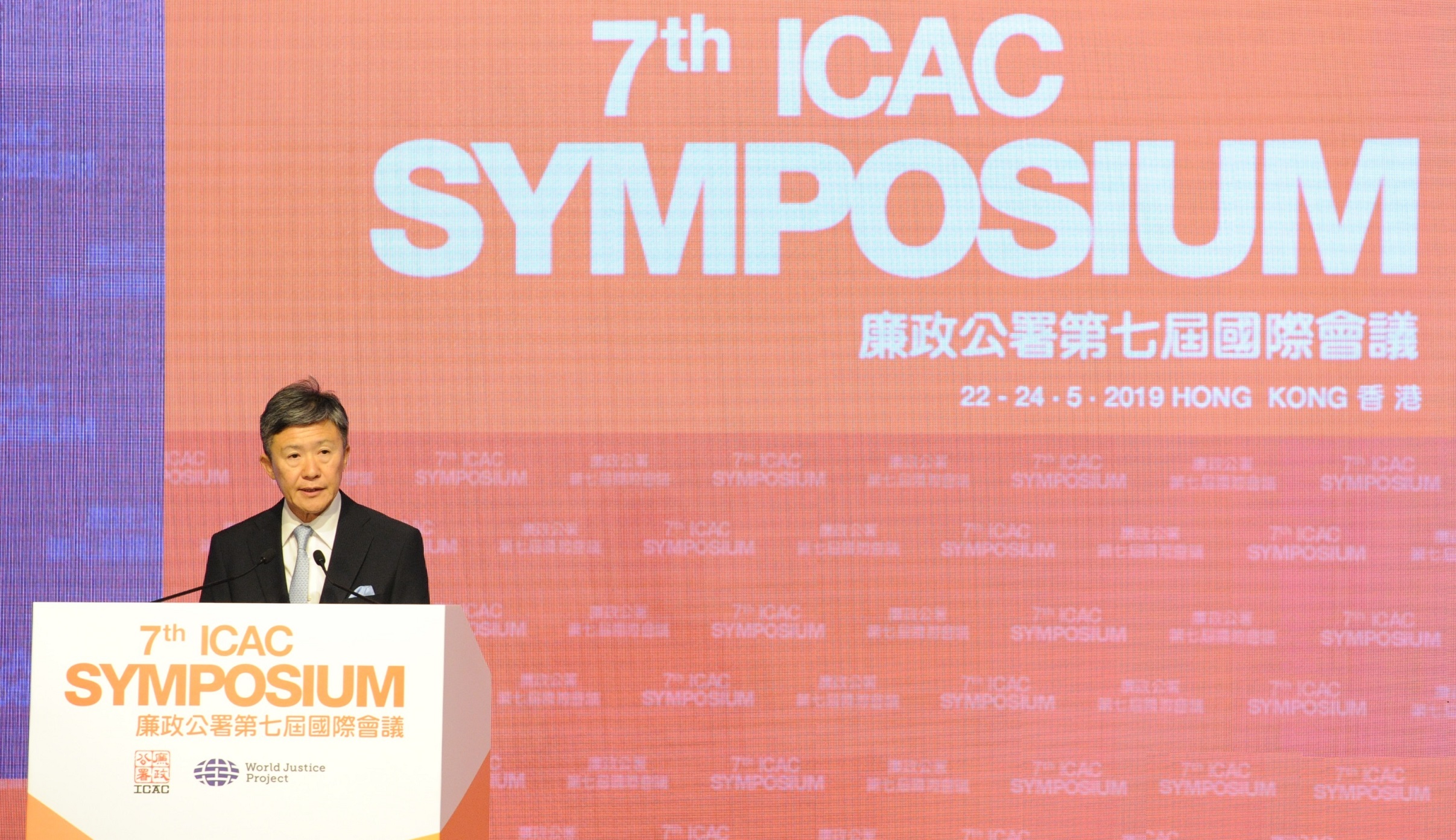
ICAC Commissioner Simon Peh says cooperation is the key factor in graft fight.
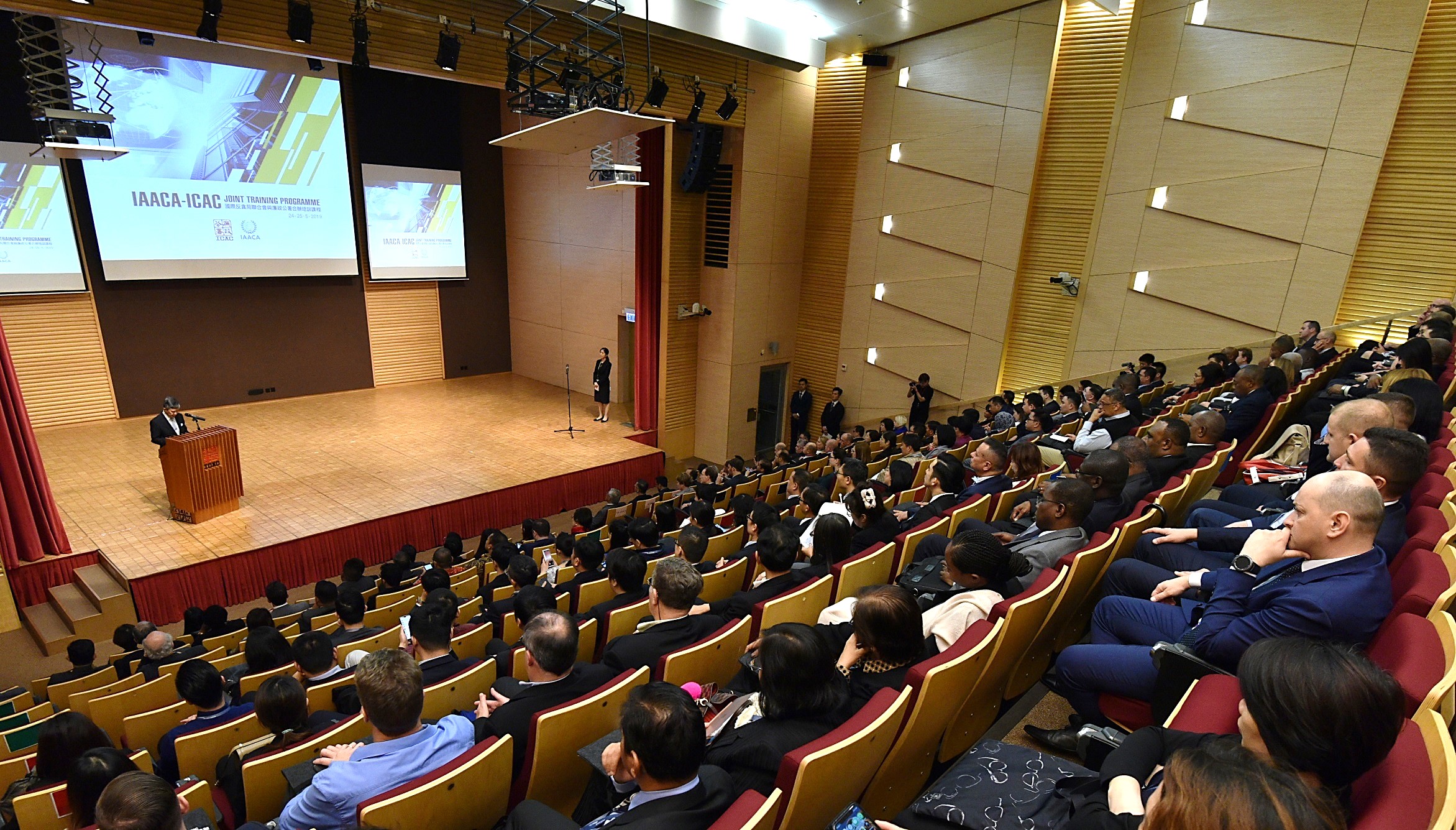
Over 200 participants of the Symposium also take part in the IAACA-ICAC joint training programme.

Participants tour the Mock Court at the ICAC Building.
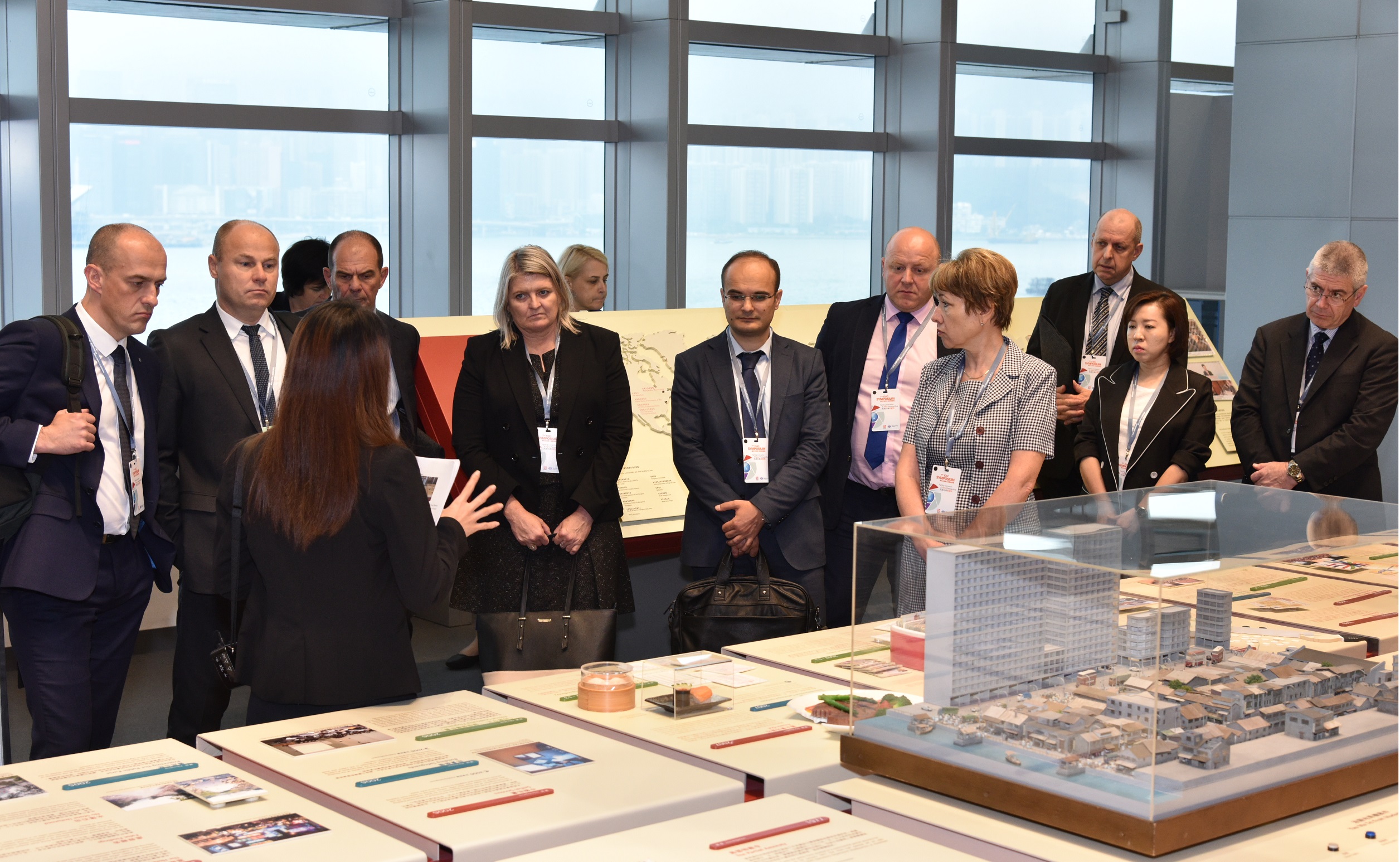
Participants tour the ICAC Exhibition Hall to learn first-hand Hong Kong’s anti-corruption history and achievements.