ICAC flagship command course prepares emerging LEA leaders for dynamic era
2019-11-29
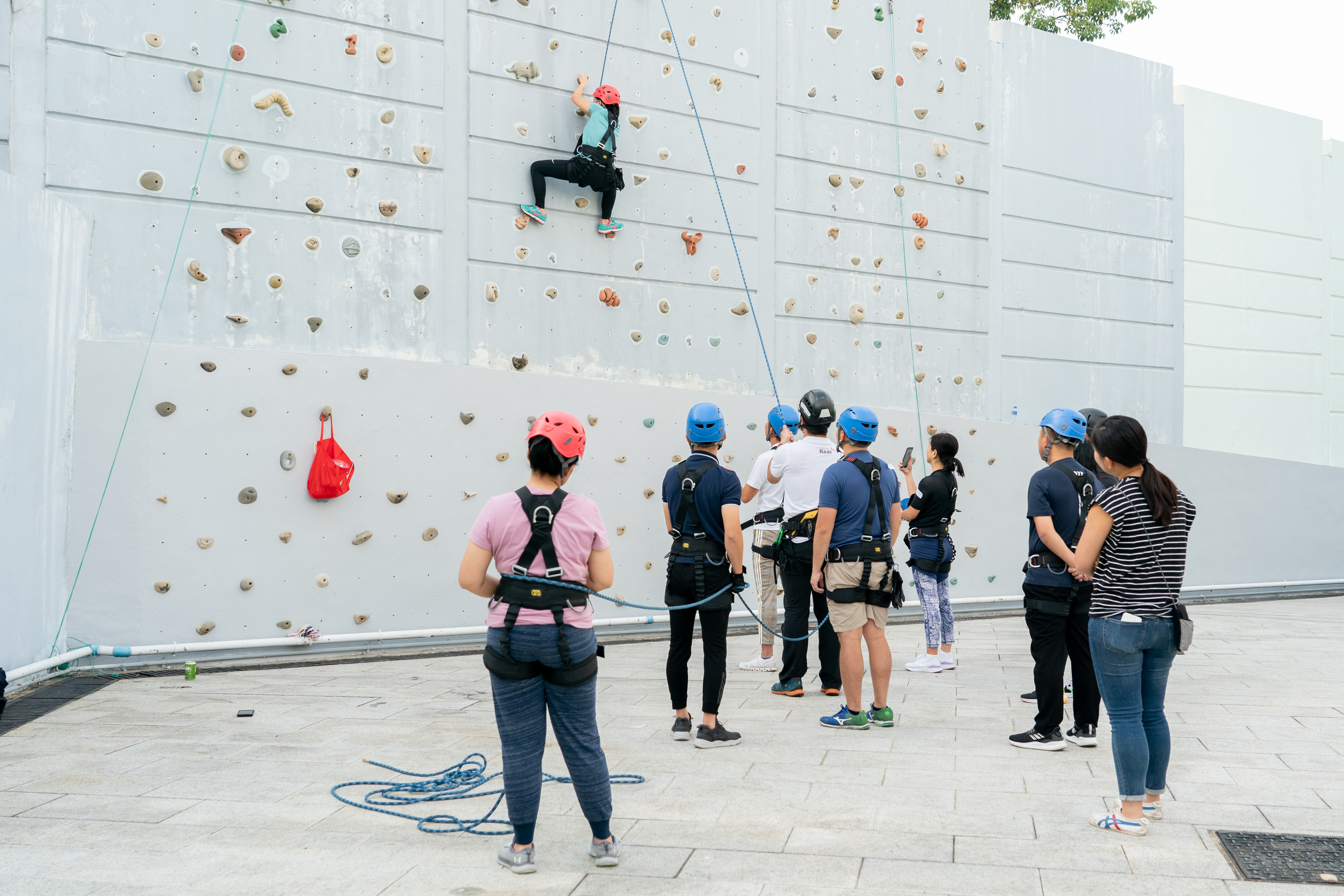
Twenty-five representatives from local and overseas law enforcement organisations today (November 29) completed a four-week ICAC command course which called for mental and physical resilience expected of effective modern-day leaders.
Speaking at the closing ceremony of the ICAC Chief Investigators’ Command Course No. 39, Commissioner Mr Simon Peh Yun-lu said the course, themed “Leadership in the ever-changing era”, provided an avenue for officers to reflect on leadership in law enforcement agencies in the face of fast-changing political, socio-economic and legal environments.
Mr Peh noted that a number of course participants were from countries along the Belt and Road route, with which the ICAC had been forging training partnership in recent years to enhance their effectiveness in fighting corruption.
One of the course members, Mr Sonam Drukpa, Chief Integrity Promotion Officer of the Anti-Corruption Commission of Bhutan, said he was impressed by ICAC’s investigative strategies covered in the course.
“Comparing to the Hong Kong ICAC, Bhutan’s anti-corruption regime is still at its infant stage. I appreciate very much the effort and resources Hong Kong has devoted to its time-honoured three-pronged anti-graft approach,” Mr Sonam said.
Another participant, Mr Kuliniasi Voniqumu Saumi, who joined the Independent Commission Against Corruption of Fiji since its inception in 2007, said Hong Kong’s anti-graft mechanism in the private sector was well established.
“The ICAC’s comprehensive approach combining vigorous enforcement and business ethics promotion is a role model for Fiji,” Chief Investigator Mr Saumi added.
Local participants joining Mr Sonam and Mr Saumi in the course were 10 ICAC officers, as well as five representatives from the Correctional Services Department, the Customs and Excise Department, the Fire Services Department, the Immigration Department and the Securities and Futures Commission.
Also attending the course were three officials from the National Commission of Supervision, the People’s Procuratorate of Siming District of Xiamen Municipality and the Macao Commission Against Corruption.
The remaining participants were from five overseas agencies, namely the Corruption Eradication Commission of Indonesia, the Anti-Corruption Commission of Malaysia, the Corrupt Practices Investigation Bureau of Singapore, the Special Investigating Unit of South Africa and the Anti-Corruption Commission of Timor-Leste.
Twenty prominent speakers from the legal profession, law enforcement agencies, business enterprises, public service and academia shared their strategic insight with course participants.
Speakers included Mr Benjamin Tang Kwok-bun, Chairman of the Operations Review Committee of the ICAC; Mr Jasper Tsang Yok-sing, former President of the Legislative Council; Professor Tsui Lap-chee, Founding President of the Hong Kong Academy of Sciences; and Professor Francis Chan Ka-leung, Dean of the Faculty of Medicine of The Chinese University of Hong Kong.
Case studies of major ICAC investigations and the ICAC’s three-pronged approach in fighting corruption were also shared by senior ICAC officers. The course also featured a one-week study tour to various authorities in Changsha, Hunan Province.
The ICAC Chief Investigators’ Command Course is a flagship training programme and one of the Commission’s initiatives in enhancing international anti-graft cooperation. Since the late 1970s, it has coached over 800 local and overseas participants.
Speaking at the closing ceremony of the ICAC Chief Investigators’ Command Course No. 39, Commissioner Mr Simon Peh Yun-lu said the course, themed “Leadership in the ever-changing era”, provided an avenue for officers to reflect on leadership in law enforcement agencies in the face of fast-changing political, socio-economic and legal environments.
Mr Peh noted that a number of course participants were from countries along the Belt and Road route, with which the ICAC had been forging training partnership in recent years to enhance their effectiveness in fighting corruption.
One of the course members, Mr Sonam Drukpa, Chief Integrity Promotion Officer of the Anti-Corruption Commission of Bhutan, said he was impressed by ICAC’s investigative strategies covered in the course.
“Comparing to the Hong Kong ICAC, Bhutan’s anti-corruption regime is still at its infant stage. I appreciate very much the effort and resources Hong Kong has devoted to its time-honoured three-pronged anti-graft approach,” Mr Sonam said.
Another participant, Mr Kuliniasi Voniqumu Saumi, who joined the Independent Commission Against Corruption of Fiji since its inception in 2007, said Hong Kong’s anti-graft mechanism in the private sector was well established.
“The ICAC’s comprehensive approach combining vigorous enforcement and business ethics promotion is a role model for Fiji,” Chief Investigator Mr Saumi added.
Local participants joining Mr Sonam and Mr Saumi in the course were 10 ICAC officers, as well as five representatives from the Correctional Services Department, the Customs and Excise Department, the Fire Services Department, the Immigration Department and the Securities and Futures Commission.
Also attending the course were three officials from the National Commission of Supervision, the People’s Procuratorate of Siming District of Xiamen Municipality and the Macao Commission Against Corruption.
The remaining participants were from five overseas agencies, namely the Corruption Eradication Commission of Indonesia, the Anti-Corruption Commission of Malaysia, the Corrupt Practices Investigation Bureau of Singapore, the Special Investigating Unit of South Africa and the Anti-Corruption Commission of Timor-Leste.
Twenty prominent speakers from the legal profession, law enforcement agencies, business enterprises, public service and academia shared their strategic insight with course participants.
Speakers included Mr Benjamin Tang Kwok-bun, Chairman of the Operations Review Committee of the ICAC; Mr Jasper Tsang Yok-sing, former President of the Legislative Council; Professor Tsui Lap-chee, Founding President of the Hong Kong Academy of Sciences; and Professor Francis Chan Ka-leung, Dean of the Faculty of Medicine of The Chinese University of Hong Kong.
Case studies of major ICAC investigations and the ICAC’s three-pronged approach in fighting corruption were also shared by senior ICAC officers. The course also featured a one-week study tour to various authorities in Changsha, Hunan Province.
The ICAC Chief Investigators’ Command Course is a flagship training programme and one of the Commission’s initiatives in enhancing international anti-graft cooperation. Since the late 1970s, it has coached over 800 local and overseas participants.